2024年10月24日 星期四

姚克翻譯A. Miller之"推銷員之死"/ Life of a 'Salesman' /蝴蝶回憶錄

Join the Conversation

Life of a 'Salesman'

Arthur Miller's "Death of a Salesman" has unusual currency in today's economic climate. Does this classic play hold a mirror up to American culture? What do you think?

林以亮為早年燕京大學西語系出身,內戰末期到香港,主要就是從事西書的翻譯和電影編劇,到我們通信的階段,他已經是朋輩中有名的「翻譯先生」(Mr. Translation)了。所謂朋輩,就是他有一次忽然在信中對我提到的,「同我差不多年齡的友好,如姚克,張愛玲,喬志高,蔡思果」等四人,都為衣食忙,他說,致未能專心文學,接下去就感慨地講了些自覺「蒼涼」的話。


電懋前身為國際,由猶太人歐德爾負責。由於當時香港最大影業———拍出《清宮祕史》、《翠翠》的永華賒欠過鉅,歐德爾便以債權人身分接管片場。國際隸屬南洋的「國泰」財團,老闆陸運濤富於文化理想,遂成立劇本審查委員會,邀集戲劇大師姚克、哈佛文學博士孫晉三及宋淇、張愛玲等文化俊彥共同組成。其中耶魯畢業的姚克在上海復旦、聖約翰都教過戲劇,並寫出赫赫知名的《清宮祕史》;孫晉三係中央大學戲劇系教授,宋淇自己也是燕京大學講師,當時兩袖清風的張愛玲能晉身其間,當然得自宋淇力薦。
-----

前幾年大陸出版四五本思果簡評幾本著名翻譯
譬如說 推銷員之死 楊必的浮華世界 趙元任的愛麗絲.....


翻譯A. Miller之"推銷員之死" (香港:今日世界 1970 後轉為台灣英文雜誌社)
70年代初 今日世界出版姚克翻譯的推銷員之死
序寫得及認真 妙的是 姚先生的野心是要用北京話翻譯 不過碰到許多困難 如現在很平常的 plug/socket等等


Charley ...Couldn't sleep well. I had a heartburn.
(睡不穩 鬧胃氣)
...接下來還有一次用到heartburn......
注意
heartburn noun [U] 不可數-- 不過我的版本的確為 a heartburn

a painful burning feeling in the lower chest caused by the stomach not digesting food correctly


"Death of a Salesman" is a 1949 stage play written by the American playwright Arthur Miller. The play premiered on Broadway in February 1949, running for 742 performances. It is a two-act tragedy set in late 1940s Brooklyn, told through a montage of memories, dreams, and arguments of the protagonist, Willy Loman, a traveling salesman whose aspirations for success and elevated social status lead to a tragic unraveling of his mental state.

The play serves as a microcosm of the social pressures prevalent in post-World War II America and questions traditional values, reflecting the disillusionment felt by many in the face of economic and social changes. "Death of a Salesman" addresses loss of identity and a man's inability to accept change within himself and society, portraying Willy Loman's struggles with self-delusion and his inability to acknowledge his marginal success.

Arthur Miller's portrayal of Willy Loman redefined the tragic hero as a man whose dreams are insupportably vast and dangerously insubstantial, making "Death of a Salesman" a milestone of the American theater.

The play has maintained its impact over the years and has been adapted into several films and television productions, solidifying its enduring relevance and influence. It has been recognized as a Pulitzer Prize-winning drama and a significant contribution to American letters.

Overall, "Death of a Salesman" remains a powerful exploration of the American Dream and its toll on individuals and families, captivating audiences with its poignant portrayal of the human condition and societal pressures.

Arthur Miller's masterful storytelling and the timeless themes explored in "Death of a Salesman" have cemented its status as a classic work that continues to resonate with audiences, sparking discussions about its enduring relevance and impact on the American theatrical landscape.

BOOK: https://amzn.to/3YpmUFP

You can also get the audio book for FREE using the same link. Use the link to register for the audio book on Audible and start enjoying it.


----


姚克的簡短介紹 也可參考 蝴蝶回憶錄 台北:聯經 1986 pp.274-76

著名翻譯家和劇作家
姚克(1905~1991) 原名姚志伊、姚莘農、筆名姚克。祖籍安徽歙縣,生於福建廈門。東吳大學畢業。 30年代初致力於優秀外國文學作品的介紹和翻譯。民國21年(1932年)為向世界介紹中國的作家,翻譯完成了魯迅《短篇小說選集》的英譯本,並與魯迅成為交往密切的朋友。魯迅對姚克“以西文介紹中國現狀”的工作,給予了很高的評價。民國26年盧溝橋事變後,姚克是全國文藝界最早的抗日統一戰線組織中國劇作家協會的發起人之一,並參與集體合作的三幕劇《保衛盧溝橋》,有近百人演出。是年8月,赴蘇聯參加全蘇第五屆戲劇節,在歐期間為爭取歐洲國家支持中國的抗戰,數度舉行廣場演說。而後赴美國耶魯大學戲劇學院進修。民國29年回國,此時上海已處於抗戰的“孤島時期”。姚克在聖約翰大學、復旦大學任教,同時參與戲劇活動,為複旦劇社排演戲劇。在進步話劇運動的影響下,姚克參與了中共地下組織領導的上海劇藝社的戲劇活動。民國30年和費穆創建天風劇團,主持演出了《浮塵若夢》、《十字街頭》、《梅花夢》等,編寫了歷史劇《清宮怨》。太平洋戰爭後,上海已淪陷,這一時期姚克在特定的政治環境中創作了許多歷史劇,如《楚霸王》、《美人計》、《蝴蝶夢》、《西施》、《秦始皇》、《銀海滄桑》等,撰述了專著《怎樣演齣戲劇》等。在戲劇活動上,姚克與佐臨等組建了苦幹劇團,任總幹事。抗戰勝利後擔任蘭心劇場經理,首演劇目是由他編劇的《熱血五十年》,內容描寫台灣回歸祖國。


民國37年姚克赴香港,將《清宮怨》改為電影《清宮秘史》,由永華影業公司拍攝。其後,他主要在香港中文大學、新亞書院、聯合書院任教。 1968年赴美國,在夏威夷大學執教現代中國文學和中國哲學史。 1980年3月中共中央組織部就《清宮秘史》之案為姚克平反,是年北京人民出版社重印了《清宮怨》劇作。

姚克(1905-1991)《推銷員之死》等等


 姚克(1905-1991)《推銷員之死》等等
Linda Pun──和 TingShan Tsai 及其他 6 人
劇作家姚克對中共的文明還擊
早前香港中文大學圖書館有一個名為「坐忘.香港:姚克的戲劇因緣」的展覽,介紹著名戲劇家姚克(1905-1991)在香港的成就和貢獻。但展覽的前言指:文革大潮越演越烈,他編劇的電影《清宮秘史》遭毛澤東點名批判,居港二十餘年的姚克「黯然遠離,赴夏威夷大學任教」,卻沒有點出當年姚克面對中共猛烈批判時,有理有節地作出文明還擊,而一些大陸文人還無視他反抗專制暴政的作為,刪去了這位戲劇大師在香港和台灣的重要經歷,妄圖竄改他的生平事蹟。
姚克原名姚志伊,又名姚莘農,祖籍安徽,父親是清末翰林,家學淵源。1931年畢業於蘇州東吳大學文學系,之後在戲劇、翻譯、編輯、寫作等多方面發展,聲譽日隆。他中英文俱佳,熱愛戲曲、話劇。三十年代在上海與左翼美國記者斯諾(Edgar Snow)和魯迅有密切交往,曾把魯迅的作品繙譯成英文,介紹給西方讀者。魯迅在1936年10月去世,姚克是當時追悼大會的司儀兼扶靈人之一,但他一直沒有加入受中共把持的左翼作家聯盟。
1937年,時任英文月刊《天下》編輯的姚克,被月刊委派到蘇聯參加戲劇節,因歐戰影響歸程,滯留倫敦,為爭取歐洲各國支持中國抗日,他多次到電台及電視發表演說。翌年,得美國洛克菲勒基金資助,轉到美國耶魯大學進修戲劇。1940年回到「孤島」上海,任教復旦大學和聖約翰大學,並先後參與多個劇團,策劃話劇演出。1941年7月,他創作的舞台劇《清宮怨》首度公演,講述清末戊戌變法期間,光緒皇帝、珍妃與西太后慈禧之間的宮廷鬥爭,由費穆執導,連演三個多月,好評如潮。
1948年,浙江商人李祖永在香港創辦永華電影公司,改編《清宮怨》為電影《清宮秘史》,由朱石麟執導,邀請姚克南下合作。那時國共內戰越趨激烈,姚克於是與家人移居香港,自此在這個相對自由的小島,開展人生另一個黃金二十年。
姚克來港最初幾年,主要在電影公司擔任編劇,其後專注戲劇活動和在中文大學任教。廿年間,先後創作了《李後主》、《西施》、《秦始皇》、《陋巷》等劇目。1952年,他開辦南風出版社,出版了《中共有自由嗎?》、《史大林評傳》、《胡風事件的前因後果》、東方望的《中共的土地改革》、以及龔楚的《我與紅軍》等批判共產革命的書籍。
姚克的劇作內容都別出心裁,寓意甚深。例如1956年創作的《西施》,重點不是西施和范蠡的愛情故事,不是越王忍辱負重的復國故事,而是對愚忠的批判、對國家與政權的反思。1961年創作的《陋巷》,更是戰後首個以香港本土實況作題材的劇作。
1954年,他與戲劇界友好出版《戲劇藝術》期刊,在第二期發表了題為「揚棄形式主義和教條主義」的文章,指出「在中國新戲劇運動的過程中,教條主義的流弊似乎比形式主義更嚴重。有些戲劇工作者受著政治的教條主義影響,不知不覺地呈露了意識形態硬化現象。假使教條頒定『太陽是我們的咒詛』,他們就齊聲附和著咒詛太陽;假使教條歌頌該撤大帝而貶斥漢武帝,他們就把該撒演成英雄而把漢武帝演成反派(其這兩個統治者是同一類型的征服者)。這樣的盲從,其偏激可笑與贊和『月亮是外國的好』有什麼兩樣?」從姚克的作品及行動都可看到,姚克是一個反對專制統治、追求自由、有高遠視野的文化工作者,他與左右派文化人都有交往,卻從不熱衷政治。
文革爆發後,毛澤東借題發揮,以批判電影《清宮秘史》為名,打擊政敵劉少奇。1967年1月,《紅旗》雜誌發表姚文元的文章〈評反革命兩面派周揚〉,披露毛澤東早於1954年就批評《清宮秘史》是賣國主義影片,並暗指鼓吹這電影的大人物,是時任國家主席的劉少奇。《清宮秘史》的導演朱石一直在香港的親共電影公司工作,以愛國者自居,1月5日在家中看罷香港《文匯報》轉載姚文元這篇文章,便不堪刺激,突然腦溢血去世。
兩個月後,針對《清宮秘史》的批判到了舖天蓋地的階段,《紅旗》雜誌在3月底發表戚本禹的文章〈愛國主義還是賣國主義?——評歷史影片《清宮秘史》〉。接著,《北京周刊》把此文繙譯成多國文字轉載發表,《人民日報》、《光明日報》及香港的左派報章,都緊跟風向,發文起哄,大字標題點名姚克是「反動文人」,「為蔣家皇朝哭喪」。左派三聯書店還集合所有批判文章出書。此時,姚克冷靜面對,接受記者訪問表示:不覺驚奇和委屈,歷史自有公論。中共對文藝作品,沒有一定的標準,今日力捧的文章,明日可能成為毒草。田漢、吳晗、廖沫沙如此。茅盾甚至劉少奇亦一樣。所以如對中共的狂吠認真,自己也要發瘋。
他指出:《清宮秘史》的中心意旨,是反映新舊時代的權力交替出諸你死我活的慘烈鬥爭,是個不曾休止的悲劇,不僅大清帝國,中共的權力鬥爭,也在重演此悲劇。
接著,姚克在當年的《明報月刊》5月號發表近二萬字的長文,詳述其劇作《清宮怨》被改編成電影《清宮秘史》的經過,及反駁中共對他的指控,同期也刊載《清宮秘史》的劇本節錄及戚本禹那篇文章的全文,以擺事實,說道理的姿態,由讀者閱讀雙方觀點,自行判斷是非曲直。
這時香港的左派引發暴亂,形勢險峻,姚克沒有即時離開香港,六七暴動期間,他為友人王敬羲開辦的《純文學》雜誌撰文,再以《清宮怨》的主題來凸顯中共的荒謬,並出版《清宮秘史 : 電影攝製本》和《坐忘集》,後者收錄了十多年來談論戲劇和文化的文章。以文化力量對抗中共的橫蠻暴政。同年十月,他無懼不安局面,出席公開活動,為中文大學學生劇社的演出擔任顧問,及現身講座教授朗誦技巧。
到了1968年,主要由香港大專學生組成的世界戲劇社籌備話劇演出,邀請已從中文大學退休的姚克執導。姚克十分欣賞的劇作家吳祖光,當時正身陷大陸被中共折磨,他特意選用吳祖光的作品《捉鬼傳》作劇本,略加改編,借「鍾馗捉鬼」的故事,諷刺大陸現狀,並藉此向受到中共迫害的文化人作另類聲援。
此外,他還聯絡電影界的老朋友,計劃修正中共出版的中國電影史。他發現中共在1963年代出版、由程季華主編的《中國電影發展史》失實之處太多,趁那時還有不少老一輩電影人在香港,應及早搶救史料,寫出更完備、客觀、公正的中國電影史。可惜因他其後找到夏威夷大學的教席,需於1969年1月到任,該計劃沒有人主持便告吹。
姚克往夏威夷之前,首次到訪台灣,逗留近兩個月,他此行只是與文化界朋友接觸,及為一家電影公司的新片《精忠報國》編寫劇本,沒有公開發表政治言論。在台灣期間,他留在大陸的前妻、四十年代上海著名影星上官雲珠,因不堪中共迫害,於1968年11月23日在上海跳樓身亡,終年48歲。
姚克這幾年間的行動,可說文明理性、不卑不亢。但不知何故,香港《新晚報》前總編輯羅孚,在2005年發表的一篇文章〈姚克未收到的一封信〉(收錄在其著作《文苑繽紛》),竟指姚克「對來自北京的罵聲一言不發,也不發表什麼文章,不聲不響的離開了香港,去了美國,甚至避免和外界來往。」羅孚六七暴動期間正在香港積極參與「反英抗暴」,不可能不知道姚克的連串「反共」行為。他說姚克沒有與外界聯絡也非事實。
姚克留美六年後的1975年,中華民國已退出聯合國,台灣風雨飄搖之際,姚克領著他一批美國學生於一月初到台灣進行文化交流。月底又應香港無線電視台邀請,重臨香港數天,參觀電視劇《清宮殘夢》(改編自《清宮怨》)的攝製情況,及到邵氏片廠,探訪正在拍攝兩部清宮片《傾國傾城》及《瀛台泣血》的李翰祥導演。往後兩年,他每年都到台灣及香港參加文化活動,並為香港麗的電視擔任編劇訓練班導師。台灣的出版社在1978年和1985年,也先後出版了姚克的《清宮怨》等多部劇作和中文譯作《推銷員之死》。
中共改革開放後的1979年12月,北京《光明日報》率先發表署名文章,批評戚本禹文革時對《清宮秘史》的指控是含血噴人。翌年5月,上海《文匯報》發表署名文章,再批評戚本禹強加罪名給姚克,又讚揚姚克愛祖國,努力促進中外文化交流,要給他公正評價。香港《大公報》轉載此文時,還大字標題:「姚克在大陸恢復名譽」。1981年9月,魯迅誕辰一百周年,香港《大公報》轉載了姚克留在家鄉的六弟姚志曾的長文,回憶姚克與魯迅的交往。北京的人民文學出版社亦同時出版了姚克的《清宮怨》。
姚克八十年代退休後一直定居三藩市,專注研究李賀詩作。那裡資訊發達,而且他交遊廣濶,這種有關他的重要消息。姚克是不可能不知道的。可是,姚克1991年12月在美國去世後,他在蘇州的侄女蘇眉(姚克六弟姚志曾的女兒)九十年代在大陸刊物發表的文章,卻說他們於1980年初得知中央組織部為姚克平反後,便致力尋找失去聯絡多年的姚克,直到1991年初才聯絡上,以致姚克遲了11年才知道他已平反的消息。姚眉又稱,姚克給予蘇州親屬的最後一封信,表示計劃在1992年春天回蘇州小住數月,及預備在大陸出版有關李賀詩作的研究成果。可惜91年底便不幸因病去世,未能一圓回祖國的願望云云。
姚眉這個說法令人難以置信,她也沒有公開過姚克致家鄉親人的信件。包括姚克在香港的一些朋友,都認為很大可能是他的親屬,為了保護姚克而製造出來的「愛祖國」型像,有利於姚克的生平和作品,能早日重現大陸的公眾視野。事實上,中共八十年代依舊政治打壓不斷,先是鎮壓西單民主牆運動,接著又有清除精神文明污染、反對資產階級自由化,最終在1989年爆發大規模學生民主運動,血腥鎮壓收場。這些慘痛事件,難道在美國的姚克不知道?
姚克去世半年後的1992年7月,姚克妻子及幼女姚湘應北京邀請,出席紀念斯諾逝世二十周年討論會。翌年,她們又再跟團到京滬探訪姚克的親友。但有關姚克晚年在美國的情況,都是由大陸方面發放,實情如何?耐人尋味!
此外,北京魯迅博物館研究員姚錫佩在2007年出版的著作《一代漂泊文人》中,有專章論述姚克,卻避談姚克在香港和台灣的重要經歷,只偏重介紹他與魯迅和斯諾的關係。企圖將姚克定格為十分渴望回到「祖國」,又未能如願的「漂泊文人」。
研究姚克的香港學者盧偉力並不同意把姚克形容為「漂泊文人」。他指出:「在香港,姚克可以較自由地創作,反省中國文化與政治。」「二十年間,他在香港立德、立功、立言,文化建樹很巨大,姚克及家人常常出現在中英報紙報導,擔任很多公共文化工作,我們不能說他『漂泊』。中心與邊緣,其實是相對,甚至是辯證的。身處中國地理邊陲,心志連結中華文脈,這是姚克的文化意識。」
  盧偉力在2017年出版的《香港當代作家作品選集:姚克卷》中 在導讀篇特別提出姚克的自主文化意識。他認為:有學者以「漂泊文人」來形容姚克,大概是從自然地理「國內/海外」對位,文化感受「鄉土/異域」對位,又或者身份認同「族群接受/族群拒絕」對位來看。離港定居美國後,他確實曾經有一抺離群的孤獨感,跟當時在日本留學的香港中文大學學生李進昌通信中有提及。不過,細心想,那時正值文革十年浩劫,政治鬥爭衍化群眾聲討,中國知識份子大規模「被邊緣化」,「被族群拒絕」,人身安危也不保,姚克身在海外,若他心感「漂泊」,也應當表現在一分「倖存」意識上。觀乎他在美國時談及他的寫作計劃,再引證他1967年遭到中共批判後不慌不亂的自白,娓娓叙述,情理兼備,有力迅速,可以說,就心靈歸屬「有信念/無信念」對位看,姚克並非處於不安無著的狀態。無論在香港、抑或美國,他持續不斷地在身處的空間展開力所能及的文化實踐與藝術探索,並不能說他「漂泊」。

2012年3月11日 星期日

姚克翻譯A. Miller之"推銷員之死"/ Life of a 'Salesman' /蝴蝶回憶錄

Join the Conversation

Life of a 'Salesman'

Arthur Miller's "Death of a Salesman" has unusual currency in today's economic climate. Does this classic play hold a mirror up to American culture? What do you think?
林以亮為早年燕京大學西語系出身,內戰末期到香港,主要就是從事西書的翻譯和電影編劇,到我們通信的階段,他已經是朋輩中有名的「翻譯先生」(Mr. Translation)了。所謂朋輩,就是他有一次忽然在信中對我提到的,「同我差不多年齡的友好,如姚克,張愛玲,喬志高,蔡思果」等四人,都為衣食忙,他說,致未能專心文學,接下去就感慨地講了些自覺「蒼涼」的話。

電懋前身為國際,由猶太人歐德爾負責。由於當時香港最大影業———拍出《清宮祕史》、《翠翠》的永華賒欠過鉅,歐德爾便以債權人身分接管片場。國際隸屬南洋的「國泰」財團,老闆陸運濤富於文化理想,遂成立劇本審查委員會,邀集戲劇大師姚克、哈佛文學博士孫晉三及宋淇、張愛玲等文化俊彥共同組成。其中耶魯畢業的姚克在上海復旦、聖約翰都教過戲劇,並寫出赫赫知名的《清宮祕史》;孫晉三係中央大學戲劇系教授,宋淇自己也是燕京大學講師,當時兩袖清風的張愛玲能晉身其間,當然得自宋淇力薦。
-----
前幾年大陸出版四五本思果簡評幾本著名翻譯
譬如說 推銷員之死 楊必的浮華世界 趙元任的愛麗絲.....


翻譯A. Miller之"推銷員之死" (香港:今日世界 1970 後轉為台灣英文雜誌社)
70年代初 今日世界出版姚克翻譯的推銷員之死
序寫得及認真 妙的是 姚先生的野心是要用北京話翻譯 不過碰到許多困難 如現在很平常的 plug/socket等等

Charley ...Couldn't sleep well. I had a heartburn.
(睡不穩 鬧胃氣)
...接下來還有一次用到heartburn......
注意
heartburn noun [U] 不可數-- 不過我的版本的確為 a heartburn

a painful burning feeling in the lower chest caused by the stomach not digesting food correctly


"Death of a Salesman" is a 1949 stage play written by the American playwright Arthur Miller. The play premiered on Broadway in February 1949, running for 742 performances. It is a two-act tragedy set in late 1940s Brooklyn, told through a montage of memories, dreams, and arguments of the protagonist, Willy Loman, a traveling salesman whose aspirations for success and elevated social status lead to a tragic unraveling of his mental state.

The play serves as a microcosm of the social pressures prevalent in post-World War II America and questions traditional values, reflecting the disillusionment felt by many in the face of economic and social changes. "Death of a Salesman" addresses loss of identity and a man's inability to accept change within himself and society, portraying Willy Loman's struggles with self-delusion and his inability to acknowledge his marginal success.

Arthur Miller's portrayal of Willy Loman redefined the tragic hero as a man whose dreams are insupportably vast and dangerously insubstantial, making "Death of a Salesman" a milestone of the American theater.

The play has maintained its impact over the years and has been adapted into several films and television productions, solidifying its enduring relevance and influence. It has been recognized as a Pulitzer Prize-winning drama and a significant contribution to American letters.

Overall, "Death of a Salesman" remains a powerful exploration of the American Dream and its toll on individuals and families, captivating audiences with its poignant portrayal of the human condition and societal pressures.

Arthur Miller's masterful storytelling and the timeless themes explored in "Death of a Salesman" have cemented its status as a classic work that continues to resonate with audiences, sparking discussions about its enduring relevance and impact on the American theatrical landscape.

BOOK: https://amzn.to/3YpmUFP

You can also get the audio book for FREE using the same link. Use the link to register for the audio book on Audible and start enjoying it.


----


姚克的簡短介紹 也可參考 蝴蝶回憶錄 台北:聯經 1986 pp.274-76

著名翻譯家和劇作家
姚克(1905~1991) 原名姚志伊、姚莘農、筆名姚克。祖籍安徽歙縣,生於福建廈門。東吳大學畢業。 30年代初致力於優秀外國文學作品的介紹和翻譯。民國21年(1932年)為向世界介紹中國的作家,翻譯完成了魯迅《短篇小說選集》的英譯本,並與魯迅成為交往密切的朋友。魯迅對姚克“以西文介紹中國現狀”的工作,給予了很高的評價。民國26年盧溝橋事變後,姚克是全國文藝界最早的抗日統一戰線組織中國劇作家協會的發起人之一,並參與集體合作的三幕劇《保衛盧溝橋》,有近百人演出。是年8月,赴蘇聯參加全蘇第五屆戲劇節,在歐期間為爭取歐洲國家支持中國的抗戰,數度舉行廣場演說。而後赴美國耶魯大學戲劇學院進修。民國29年回國,此時上海已處於抗戰的“孤島時期”。姚克在聖約翰大學、復旦大學任教,同時參與戲劇活動,為複旦劇社排演戲劇。在進步話劇運動的影響下,姚克參與了中共地下組織領導的上海劇藝社的戲劇活動。民國30年和費穆創建天風劇團,主持演出了《浮塵若夢》、《十字街頭》、《梅花夢》等,編寫了歷史劇《清宮怨》。太平洋戰爭後,上海已淪陷,這一時期姚克在特定的政治環境中創作了許多歷史劇,如《楚霸王》、《美人計》、《蝴蝶夢》、《西施》、《秦始皇》、《銀海滄桑》等,撰述了專著《怎樣演齣戲劇》等。在戲劇活動上,姚克與佐臨等組建了苦幹劇團,任總幹事。抗戰勝利後擔任蘭心劇場經理,首演劇目是由他編劇的《熱血五十年》,內容描寫台灣回歸祖國。

民國37年姚克赴香港,將《清宮怨》改為電影《清宮秘史》,由永華影業公司拍攝。其後,他主要在香港中文大學、新亞書院、聯合書院任教。 1968年赴美國,在夏威夷大學執教現代中國文學和中國哲學史。 1980年3月中共中央組織部就《清宮秘史》之案為姚克平反,是年北京人民出版社重印了《清宮怨》劇作。

George Whitman's bookstore 莎士比亞書局到老喬志書局(辜振豐)


The second bookstore is situated at 37 rue de la Bûcherie, in the 5th arrondissement, and is still in operation today. Opened in 1951 by American George Whitman, it was originally called "Le Mistral," but was renamed to "Shakespeare and Company" in 1964 in tribute to Sylvia Beach's store[3] and on the 400th anniversary of William Shakespeare's birth. Today, it continues to serve as a purveyor of new and second-hand books, as an antiquarian bookseller, and as a free reading library open to the public.[4] Additionally, the shop houses aspiring writers and artists in exchange for their helping out around the bookstore. Since the shop opened in 1951, more than 30,000 people have slept in the beds found tucked between bookshelves.[5] The shop's motto, "Be Not Inhospitable to Strangers Lest They Be Angels in Disguise," is written above the entrance to the reading library.


如此善待陌生人的老喬治 ⦿辜振豐

一般人對於巴黎的印象,不外乎名牌、艾菲爾鐵塔、羅浮宮和一些觀光景點,至於書店倒是受到忽視。巴黎的文化能夠展現多采多姿的面貌,就是善於接納外人。二十世紀初期,一些畫家如畢卡索、馬蒂斯、莫迪安尼、梵谷都曾經呆在巴黎,至於作家如海明威、休伍德 ・安德森、費茲傑羅、喬伊斯也於此留下足跡。喬伊斯當年的名作《尤里西斯》就是由巴黎的莎士比亞書店推出上市。這家書店的女主人就是來自美國的希薇亞 ・畢奇,但二戰之後,莎士比亞書店卻更換了主人,這背後當然有一段奇妙的故事。

傑若米・莫爾瑟所撰寫的《時光如此輕柔:老喬治和他的莎士比亞書店》,內容就是敘述這段令人感動的故事。有趣的是,老喬治也是來自大西洋彼岸的美國,過去浪跡世界各地,最後落腳於巴黎。一開始在索邦大學修課,閒來無事,用街上要來的錢到處淘書,因此在旅館內成立小型圖書館。某日,鑰匙丟了,以後乾脆就不鎖門。他信仰財產共享和人民公社,先後以咖啡和食物請客。因此,莎士比亞書店的構想就此萌芽。一九五一年八月,喬治的書店正式開張,取名為「密斯托拉」,奉行馬克思名言「竭力奉獻,取之當取」。

一九六二年,希薇亞 ・畢奇去世,兩年後,適逢莎士比亞四百歲冥誕,喬治買下她的藏書,易名為「莎士比亞書店」( Shakespeare & Co. ) ,平時鼓勵、接納未成名作家、希望每個住戶每天工作一小時和讀一本書。跟希薇亞的書店相比,這家以新面貌亮相的書店也有許多知名作家前來光顧,如亨利 ・米勒和安娜伊絲 ・寧而愛爾蘭作家勞倫斯 ・杜瑞爾在此創作 《亞歷山大四部曲》(The Alexandria Quartet)。

作者能夠完成此書,倒是要歸因於生命的偶然。他是一位加拿大記者,整天為了新聞,到處扒糞,揭人隱私。上個世紀末,報導一位竊賊而遭到了電話恐嚇,為了生命安全,匆匆買了機票,逃到巴黎。不過,住了幾天之後,便幾乎花光身上的零用錢,靈機一動便投靠莎士比亞書店,從此生命出現了轉機。

莎士比亞書店跟巴黎都樂於接納外人,尤其店裡一扇門的門框上漆上—— 「不得怠慢陌生人,他們可能是喬裝的天使」。這就是主人喬治所展現的善意,但他故鄉麻州的塞勒姆 ( Salem ) 在十七世紀曾經發生「獵殺女巫」的醜聞,劇作家亞瑟 ・米勒曾經以此事件撰寫了《激情年代》 ( The Crucible ),但主旨是隱射一九五〇年代麥卡錫的白色恐怖!這故事也改編過電影。從部落社會開始,人跟陌生人初次見面,難免帶有不安和敵意,這時善加款待( hospitality ),彼此可以拉近距離。顯然,這就是莎士比亞書店所展現的「地靈 」(genius loci )。 hospitality 後來演變成客棧(hostel )和醫院 (hospital ),兩者都帶有「款待」之意。獵殺女巫是排除異己的行為,但款待則是積極與異己交流,因此兩相比較,老喬治的確跳脫故鄉舊有的框框!

老喬治宣稱莎士比亞書店是一個「社會主義理想國」,但這並不是說各個住客之間沒有角力,畢竟人具有權力慾望和自尊。這一來,作者一住進書店之後,難免有些疑惑,因為老喬治的條件竟然是要他趕走一位叫賽門的詩人。根據店內掌櫃高楚人的說法,他經常偷錢,也不守規矩,另一個叫克特的住客建議趕走他。作者跟賽門聊天之後,得知他來自倫敦,有一段得意的日子,但後來由吸毒而販賣毒品,這一來就遭到起訴。作者跟他明示老喬治的決定,他仍然沒有離開的意願。接著,作者並沒有堅持,等到他告知喬治,這位書店主人只是開玩笑說:「你中了他的魔法」。日後,老喬治並沒有再繼續堅持要他滾蛋!

誠如作者指出,如果莎士比亞書店真的是作家的庇護所,那麼,眼前這位詩人還沒有準備好重回現實世界。他沒有全力執行趕人的任務,心中有一種不夠忠心的罪惡感,可是,他真心覺得,喬治已經收留這個人那麼久,他決不想採取克特大膽建議的的手段,把這個人的家當直接丟到馬路上。老喬治愛才跟寬容之心,可見一斑!他總是給這些失意人更多好機會,等待他們日後在作品中大放光芒!果然,上帝不負苦心人,後來,愛爾蘭丁格爾鎮的文學祭,邀請賽門去朗誦詩歌,而且由作者陪同。當天,賽門朗誦作品的內容是關於「莎士比亞書店前的櫻桃樹已經開花」!

其實,老喬治不管是對人或書店,總是能夠化危機為轉機。一九六八年,巴黎爆發學生運動,學生罷課,工人罷工,這一來整座花都風聲鶴唳。當時治安人員時時監控學運分子,而莎士比亞書店也難以倖免,因為老喬治收留一些左派分子。為此,老喬治受到警告,並要他每天用文字回報店內住客的身分背景,然後再送到派出所。從書店到派出所,由步行而騎自行車,固然省下不少時間,但他不勝其煩。最後,老喬治發揮想像力,要每位住客親自寫下自己的自傳,並描述來到書店的機緣,後來警察才收手。

老喬治是一位老左派,二戰之後,他加入共產黨,時時發言批判美國軍事經濟,甚至揭發冷戰的謊言和反對越戰。書店曾一度被迫停業,他認為是美國背後施壓,之後,法國政府以沒有繳交外國人在法國做生意的相關文件為藉口,禁止書店繼續營業。但他繼續保持強勢,再度收留激進分子,舉辦演講、開放圖書室,接著還寫信向當時的文化部長安德烈 ・馬爾羅( André Malraux ),經過一年多的努力,終於取得營業執照。

他並沒有罹患左派幼稚病,成天吶喊革命,或是幻想資本主義即將崩潰!正如同作者指出,在他所期待的「革命」到來之前,他被迫住在資本主義社會裡,以不傷大雅的方式來參與經濟。顯然,老喬治心中念念不忘還是將書店好好經營下去,並繼續照顧未成名的作家。喬治早就學會了過簡單生活,他曾經周遊世界,隨身行李只有一件換洗襯衫,和一本平裝書。開了書店,這些節儉經驗,更形重要。他用手洗衣服,只吃最基本的食物。盡量不上餐廳和電影院。在這種生活方式下,不但靠著書店微薄進賬而過活、提供伙食,還能夠存錢擴張書店。

作者洞察到喬治的生意經,因為喬治認為賣書不一定能夠致富,但他善於運用腦筋,才得以讓莎士比亞書店持續經營下去。印製明信片賣給遊客。從教會買二手書,然後高價轉售。把外表尚新的二手書偷偷塞在原價出售的新書中。書店營業到十二點。挨家挨戶賣書。最大的創舉——亨利 ・米勒《北迴歸線》在美國遭到查禁,他拜訪巴黎各個美國學生住處,推銷這本不道德的書,很少有推銷不成的時候。

毫無疑問地,作者深具洞察力精準掌握書店的生態,但行文之間也坦率交代自己的心理問題。比如說,一位來自波士頓的史考特本身研究班雅明,特別來到巴黎踏查這位德國思想家所留下的足跡。老喬治向來欣賞有才氣的新住客,每逢客人前來造訪,總是大力推崇一番,甚至表明出國期間史考特可以住在他的臥室。對此,作者認為史考特已經取代他而成為喬治的頭號助手,嫉妒之心油然而生。但後來史考特跟一位叫蘇菲的女住客太親近,使得喬治大為不滿,於是兩人開始貌和神離,歸根究底就是喬治不希望住客因愛情而破壞情緒,畢竟愛情大多以毀滅收場。

看來,在莎士比亞書店裡,美好的愛情跟婚姻總是短暫的,而令人難過的衝突、嫉妒也是短暫的。不過,也因此穩住書店的未來。首先,喬治有兩次婚姻和一些愛情的火花,而第二次婚姻生下女兒希薇亞,但太太總是希望喬治好好照顧這個「小家庭」,但他太愛護書店和住客所形成「大家庭」,以致兩人以離婚收場。這一來,女兒便跟媽媽前往倫敦定居。此時,作者擔心老喬治身體老邁,來日不多,而喬治也得知一位旅館大亨企圖收購書店。喬治很怕死後留給女兒之後,太太從中搞鬼,然後賣給大亨,以便賺一大筆錢。最後,所有住客也不再為了小事而心懷鬼胎,大家齊心協力運用各種方式,以保住書店。

其中,還是善解喬治心意的作者想出最有效果的方案——說服她女兒擔任接班人。作者親自到倫敦跟他女兒見面,並轉達喬治的心意。幸好,希薇亞回心轉意,決心回到巴黎,繼續經營莎士比亞書店。

本書以生動的文筆敘述莎士比亞書店主人喬治的大半生,誠如作者指出,「......是的,它在文壇有極高的重要性,可是,更重要的是,莎士比亞書店是個庇護所,就像對岸的教堂一樣,是一個主人讓每個人取之當取、竭力奉獻的地方。」不過,另一方面也記錄了作者精神成長的歷程——過去為了私利,到處揭人隱私,但受到喬治的感染而為書店、他人貢獻一己之力。也難怪作者在結尾強調:「和喬治在一起住在莎士比亞書店徹底改變了我,讓我質疑被我拋棄的生活、以及我真正想要過的生活。現在,我坐思、我打字、我努力成為更好的人。人生是未完成的課題。」

《時光如此輕柔:老喬治和他的莎士比亞書店》......


George Whitman's bookstore[edit]

In 1951, a new English-language bookstore was opene7d on Paris's Left Bank by American ex-serviceman George Whitman under the name of "Le Mistral." Its premises, the site of a 16th-century monastery,[13] are at 37 rue de la Bûcherie, near Place Saint-Michel, just steps from the Seine, Notre Dame and the Île de la Cité.[13] Much like Sylvia Beach's Shakespeare and Company, Whitman's store quickly became the focal point of literary culture in bohemian Paris. Early habitués included writers of the Beat Generation--Allen Ginsberg, Gregory Corso, and William S. Burroughs, who is said to have researched sections of Naked Lunch in the medical section of the bookstore's library.[13] Other visitors were James Baldwin, Anaïs Nin, Julio Cortázar, Richard Wright, Lawrence Durrell, Max Ernest, Bertolt Brecht, William Saroyan, Terry Southern, and editors of The Paris Review, such as George Plimpton, Peter Matthiessen, and Robert Silvers.

George Whitman had modeled his shop after Sylvia Beach's. In 1958, while dining with Whitman at a party for James Jones who had newly arrived in Paris, Beach announced that she was handing the name to him for his bookshop.[14] In 1964, after Sylvia Beach's death and on the 400th anniversary of William Shakespeare's birth, Whitman renamed his store "Shakespeare and Company," which is, as he described it, "a novel in three words."[3]

Shakespeare and Company, Paris, 2013

Whitman called his venture "a socialist utopia masquerading as a bookstore".[15] Henry Miller called it "a wonderland of books."[5] The shop has beds tucked among the shelves of books where aspiring writers are invited to sleep for free in exchange for helping around the bookshop, agreeing to read a book a day, and writing a one-page autobiography for the shop's archives. These guests are called "Tumbleweeds," after the rootless plants that "blow in and out on the winds of chance," as Whitman described.[5] An estimated 30,000 people have stayed at the shop since it opened in 1951.

Several literary publications have had their editorial address at the bookstore, including the avant-garde journal Merlin, which is credited for having discovered Samuel Beckett, it being the first to publish him in English. Among the journal's editors were Richard Seaver, Christopher Logue, and Alexander Trocchi. Jane Lougee was the publisher. From 1959 to 1964, Jean Fanchette published Two Cities from the bookshop; the journal's patrons included Anaïs Nin and Lawrence Durrell, and it published, among others, Ted Hughes and Octavio Paz. From 1978 to 1981, a group of American and Canadian expatriates ran a literary journal out of the upstairs library, called Paris Voices. The journal published young writers such as Welsh poet Tony Curtis and Irish playwright and novelist Sebastian Barry. The editor-in-chief was Kenneth R. Timmerman and the editorial team included Canadian Antanas Sileika. Other publications established from the bookstore include Frank magazine, edited by David Applefield with contributions from writers such as Mavis Gallant and John Berger, and Whitman's own The Paris Magazine (or "The Poor Man's Paris Review," as he called it), with contributors including Lawrence Ferlinghetti, Jean-Paul Sartre, Marguerite Duras, Pablo Neruda, and—in a more recent edition--Luc Sante, Michel Houellebecq, and Rivka Galchen. The first issue debuted in 1967, the most recent in 2010.

Shakespeare and Company, Entrance to Reading Library, 2015

George Whitman was awarded the Officier de l’Ordre des Arts et des Lettres in 2006, one of France's highest cultural honor.[16] He died at the age of 98 on 14 December 2011 in his apartment above the bookstore.[17]

Whitman's only child, Sylvia Whitman, named after Sylvia Beach, began helping her father with management of the bookstore in 2003. She now runs the shop with her partner, David Delannet, in the same manner as her father did.[18] Regular activities are a Sunday Tea Party, writers' workshops, and weekly events that have included writers such as Dave Eggers, A. M. Homes, Jonathan Safran Foer, and Naomi Klein.[18]

In 2003, Sylvia Whitman founded FestivalandCo, a literary festival that was held biennially at the park next-door to the bookstore, Square René-Viviani. Participants included Paul Auster, Siri Hustvedt, Jeanette Winterson, Jung Chang, and Marjane Satrapi.[19][18]

In 2010, the bookstore launched The Paris Literary Prize for unpublished novellas, with a top prize of 10,000 euro provided by the de Groot Foundation. The winner of the first contest was Rosa Rankin-Gee, whose entry, The Last Kings of Sark, was subsequently published by Virago. The winner of the second prize was C. E. Smith; his entry, Body Electric, was co-published by the bookstore and The White Review.

Partnering with Bob’s Bake Shop, Shakespeare and Company opened a café in 2015, located next door to the shop in what had been, since 1981, an abandoned garage. The café serves primarily vegetarian food, with vegan and gluten-free options. George Whitman had been trying to open a literary café in the same space since as early as 1969.

Shakespeare and Company, Paris, 2011

In 2016, the bookstore published its own history in a book titled Shakespeare and Company, Paris: A History of the Rag & Bone Shop of the Heart, edited by Krista Halverson with a foreword by Jeanette Winterson and an epilogue by Sylvia Whitman. Other contributors to the book include Ethan Hawke, Lawrence Ferlinghetti, Allen Ginsberg, Anaïs Nin, Robert Stone, Ian Rankin, Kate Tempest, and Jim Morrison. The book features an illustrated adaptation of Sylvia Beach’s memoirs. It also includes a selection of George Whitman's letters and journals written along his “hobo adventures” during the Great Depression. The kindness he received from strangers along the way inspired the founding ethos of the bookstore: "Give what you can; take what you need."[5]

The bookstore was a sanctuary for some twenty of its customers during the November 2015 Paris attacks.[20][21]

The four "Shakespeare & Co" bookstores in New York City, which opened starting in 1981, are not affiliated with the Paris store.

2024年10月22日 星期二

George Eliot: MIDDLEMARCH, Silas Marner, Romola By George Eliot


Portraying George Eliot marks the bicentenary of the birth of one of Britain’s most renowned novelists.
Discover this free display in Room 25, Floor 1. On until 1 December 2019. Find out more: http://ow.ly/QrvI30nEI9V


George Eliot's inspirations[edit]


Statue of George Eliot on Newdegate Square
Many locations in George Eliot's works were based on places in or near her native Nuneaton, including:
  • Milby (town and parish church, based on Nuneaton and St Nicolas parish church);
  • Shepperton (based on Chilvers Coton);
  • Paddiford Common (based on Stockingford, which at the time had a large area of common land including its parish Church of St Paul's);
  • Knebley (based on Astley; Knebley Church is Astley Church, while Knebley Abbey is Astley Castle);
  • Red Deeps (based on Griff Hollows);
  • Cheverel Manor (based on Arbury Hall);
  • Dorlcote Mill (based on Griff House);
  • The Red Lion (based on the Bull Hotel, now the George Eliot Hotel in Bridge Street, Nuneaton);
  • Middlemarch (based on Coventry);
  • Treby Magna (also thought to be based on Coventry);
  • Little Treby (thought to be based on Stoneleigh);
  • Transome Court (thought to be based on Stoneleigh Abbey).


George Eliot (1819-1880), 


On this day in 1871, volume 1 of MIDDLEMARCH by George Eliot was published.

"What loneliness is more lonely than distrust?"
--from MIDDLEMARCH*

*中國有漢譯本

2004.9.25  多少Middlemarch與英鎊


「《真該早些惹怒你:關於科學、科學家和人性的隨筆. 關於科學、科學家和人性的隨筆.》一出版就落伍」提到該書不一致處:「……. G. Eliot的名著Middlemarch一處用《密德爾馬契》(p.405),另一處用《中途》(p.147)」
想起去年的SIMON University (2003/12/15):「hc看ylib的"聊齋"談笑:
george eliot (女人的男化名)的小說 middlemarch
中文譯名應該是什麼?

有人說是: 三月中/有人說是: 遊行中
我擔心, 難道是: 米豆麻奇 (音譯) 米德瑪赤:梁實秋,英國文學史
*
米德鎮的春天:公視BBC劇集
米德爾馬契:英國文學通史,上海外語教育出版社」
------
Viginia Woolf once called George Eliot's Middlemarch the only Victorian novel written for grown-ups.


hc-:看來。此名著書名的翻譯,大有想像空間。這本書大陸有譯本,從音譯方式,忘了確切的名字,也許為"米德爾馬契"?
不過,即使內行書也好不了多少。譬如說,多年前讀過的《文學批評術語》(張京媛等譯,香港:牛津大學出版社,1994, 第101頁)將它翻譯成《行軍半途》,令人莞爾。

George Eliot
Middlemarch

CHAPTER XXVII.
Let the high Muse chant loves Olympian: We are but mortals, and must sing of man.

An eminent philosopher among my friends, who can dignify even your ugly furniture by lifting it into the serene light of science, has shown me this pregnant little fact. Your pier–glass or extensive surface of polished steel made to be rubbed by a housemaid, will be minutely and multitudinously scratched in all directions; but place now against it a lighted candle as a centre of illumination, and lo! the scratches will seem to arrange themselves in a fine series of concentric circles round that little sun. It is demonstrable that the scratches are going everywhere impartially and it is only your candle which produces the flattering illusion of a concentric arrangement, its light falling with an exclusive optical selection. These things are a parable. The scratches are events, and the candle is the egoism of any person now absent— of Miss Vincy, for example.
-----


Middlemarch won our ‪#‎GreatBritishNovels‬ poll by a landslide.

George Eliot’s sprawling tale of provincial life has triumphed in BBC Culture’s poll of the greatest British novels as voted by the rest of the world. Michael Gorra explains why.
BBC.COM|由 MICHAEL GORRA 上傳


為什麼《米德爾馬契》是英國最偉大的小說

噢,讓我來列舉列舉原因!首先從小說中的一個人物講起,她讓我覺得這部長篇作品還不夠長:卡德瓦拉德夫人(Mrs Cadwallader),她是蒂普頓(Tipton)和弗雷希特(Freshitt)教區牧師的妻子。她有一個尊貴又有趣的名字,心高氣傲卻又毫不掩飾,她對書中其他人物的評判既司空見慣,又偏離主題。
我珍視她說的每一句話,有時候無法原諒喬治·艾略特沒有用幾百頁的篇幅來讓她說話。但那樣她就不再是個次要人物了,而這個小說裏的人物已經夠多了。


接著是《米德爾馬契》(Middlemarch)中對公共社區生活的詳盡描述——鄉間小鎮以及周圍的村莊——以及多條線索的敘事,還有綿延一個世紀的錯綜複雜的故事情節。
喬治·艾略特寫道,任何觀察過「人與人命運悄然匯合」的人都會發現,一個人的行為開始對另一個人產生影響,「這種影響逐漸累積」。而這在某種程度上就是小說本身,它將四個看似不相干的故事合為一個故事。一開始,這些故事之間幾乎沒有聯繫,而隨著故事的逐漸發展,它們開始合流,很難分辨一件事到底屬於哪個故事。到最後,一頁紙上就可以匯集一切。主題和形式也無法分離。


Image copyrightGetty
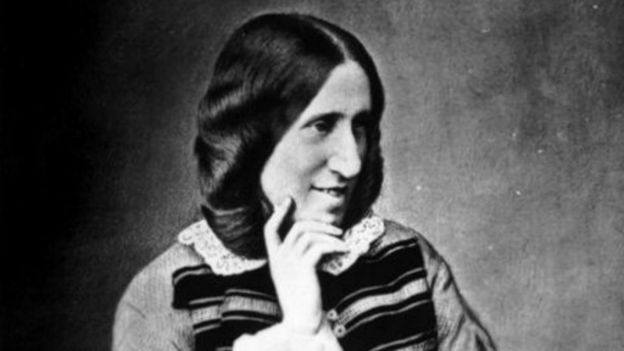
Image caption瑪麗·安妮·伊萬斯(Mary Ann Evans)用筆名喬治·艾略特寫作。她在1819年出生於英國沃裏克郡(Warwickshire)的納尼頓(Nuneaton)。

雖然很多偉大的小說都是這樣,但是這部小說更勝一籌。它有喬治·艾略特,它有一個口吻和存在讓人印象深刻的敘事者,不亞於英語文學中的任何一個人物。她的代詞把讀者引入敘事中,傳播智慧,還常常提示我們第一反應是淺薄的。如果你認真讀一讀這部小說,你會發現你真實的自己。如果你聆聽她,讓她的語句直入心扉,你會發現連你自己都不了解甚或不想了解的自我。小說的每一頁都在教導我們坦誠面對自己。
人物的力量
《米德爾馬契》至少有三個人物家喻戶曉,女主人公多蘿西婭·布魯克(Dorothea Brooke)、年輕醫生特蒂斯·利德蓋特(Tertius Lydgate)和多蘿西婭的第一任丈夫愛德華·卡索朋(Edward Casaubon)他們在任何一個讀者的心目中,相當於簡·愛(Jane Eyre)或蓋茨比(Jay Gatsby)。在當時,很多小說仍然以戀愛為主題,喬治·艾略特卻以婚姻為主題。她的主人公在小說的開頭就結婚——然後她讓我們看到婚姻生活中的摩擦和衝突。我們比較一對對的夫妻,一個個的人,然後發現一個讓人不安的真相:像銀行家尼古拉斯·布爾斯特羅德(Nicholas Bulstrode)這樣的壞人會成為好丈夫。


最重要的一個對比是多蘿西婭和利德蓋特美麗的金髮妻子羅薩蒙德(Rosamond)。她們只見了三次面,但是小說圍繞著她們展開,而小說的高潮是多蘿西婭對她的這個對手賜予了無比的慷慨。但是這需要她作出一次富有想像力的跳躍。
往回翻幾百頁,喬治·艾略特在某一章的開頭寫道,「在多蘿西婭來到洛伊克(Lowick)後數周的一天早晨,多蘿西婭——為什麼總是她?難道她的視角是唯一可能的視角……?」小說家這樣說自然輕巧。對我們來說,可不那麼簡單,特別是當我們發現被捲入了艱難的生活中。多蘿西婭將不得不學會提出喬治·艾略特提出的這個問題。


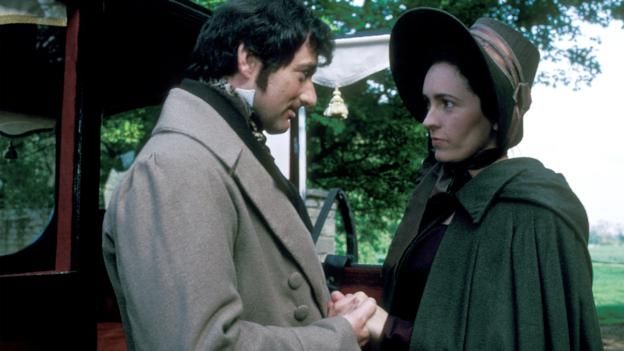
Image captionBBC 1994年製作的七集《米德爾馬契》改編版,朱麗葉特·奧布瑞(Juliet Aubrey)飾演多蘿西婭·布魯克。(圖片來源:BBC)

「她在那個場景中是一個人嗎?那只是她的事嗎?」她必須學會——我們必須和她一起學習——如何接受他人是不同於自己的,他人也擁有著與我相同的自我。這是《米德爾馬契》中最重要的教誨之一。小說不僅通過情節來說明這一點,而且把我們帶入眾多不同人物的內心,向我們展示人物內心生活的輪廓和真實的聲音。評論家稱其為「自由間接話語」,而對大多數作家來說,這首先是一個文學技巧的問題。但對喬治·艾略特來說卻不是這樣。對她來說,這是道德的要求。
「諂媚的幻像」
《米德爾馬契》最好的一些段落彷彿是用戶指南,好像這本書在告訴你應該如何閱讀它。最好的一個隱喻在第27章開頭。艾略特暗示這個世界沒有任何內在秩序。必須製造一種關於這種秩序的「諂媚的幻像」。這取決於視角——就像拿燈照鏡子——任何人對世界的感知都不可避免地會有遺漏。所以,不可能看盡全部事物。文學現實主義的夢想——同時也是這部小說的基礎——最後注定是不可實現的。喬治·艾略特和她的現代主義繼承者一樣充滿了自我意識。她是維多利亞時代最具懷疑精神的作家,她始終懷疑她所借助的媒介。
人們常說,偉大的小說就像是現代世界的天主教堂。世俗時代試圖通過小說這一形式來定義和接受人生的所有義務。假如我側目,我甚至還能看到教堂中殿半路的卡德瓦拉德夫人的雕像。沒有比《米德爾馬契》更加宏偉的建築,然而它卻在擁有巨大、堅固的結構的同時從根本上懷疑建築本身的可能性。它是一個鏤空的教堂尖頂,它的結構布滿了孔洞,就像生物的組織一樣。不過這座建築仍然矗立在風中。
邁克爾·戈拉著有Portrait of a Novel: Henry James and the Making of an American Masterpiece(《一部小說的肖像:亨利·詹姆士和美國經典之作的誕生》)一書。他是史密斯學院(Smith College)的瑪麗·奧古斯塔·喬丹英語教授(Mary Augusta Jordan Professor of English)。


One of the most accomplished and prominent novels of the Victorian era, Middlemarch is an unsurpassed portrait of nineteenth-century English provincial life. Dorothea Brooke is a young woman of fervent ideals who yearns to effect social change yet faces resistance from the society she inhabits. In this epic in a small landscape, Eliot's large cast of precisely delineated characters and the rich tapestry of their stories result in a wise, compassionate, and astute vision of human nature. As Virginia Woolf declared, George Eliot "was one of the first English novelists to discover that men and women think as well as feel, and the discovery was of great artistic moment." Introduction by E. S. Shaffer. READ an excerpt here:http://knopfdoubleday.com/book/45823/middlemarch/
!!!!!!!
Silas Marner (織工馬南傳), 梁實秋譯,

Silas Marner - Wikipedia

https://en.wikipedia.org/wiki/Silas_Marner

Silas Marner: The Weaver of Raveloe is the third novel by George Eliot, published in 1861. An outwardly simple tale of a linen weaver, it is notable for its strong realism and its sophisticated treatment of a variety of issues ranging from religion to industrialisation to community.


“Perfect love has a breath of poetry which can exalt the relations of the least-instructed human beings.”
― from SILAS MARNER by George Eliot


When Silas Marner is wrongly accused of crime and expelled from his community, he vows to turn his back upon the world. He moves to the village of Raveloe, where he remains an outsider and an object of suspicion until an extraordinary sequence of events, including the theft of his gold and the appearance of a tiny, golden-haired child in his cottage, transforms his life. Part beautifully realized rural portraiture and part fairy tale, the story of Marner’s redemption and restoration to humanity has long been George Eliot’s most beloved and widely read work. The isolated, misanthropic, miserly weaver Silas Marner is one of George Eliot’s greatest creations, and his presence casts a strange, otherworldly glow over the moral dramas, both large and small, that take place in the pastoral landscape that surrounds him. Introduction by Rosemary Ashton. READ an excerpt here: http://knopfdoubleday.com/book/45828/silas-marner/


“How can a writer make goodness interesting? George Eliot tried to do so by examining redemption in Silas Marner … But where are the unheroic, sane, consistent, quiet goodnesses? As literature thrives on conflict, the idea of​​ a sequestered, sanguine goodness might seem impossible.”
Read more of today's roundup: http://bit.ly/1wA9py8 


2011.7

Romola by George Eliot: Chapter 5

Romola walked to the farther end of the room, with the queenly step which ..... Yours is a higher lot, never to have lied and truckled, than to have shared ...


"Silas Marner," the classic novel by George Eliot, published in 1861, weaves a tale of betrayal, redemption, and the transformative power of love. Set in the rural English countryside of the 19th century, it tells the story of a reclusive weaver whose life is forever altered by a golden-haired child.

Silas Marner, once a devoted member of a religious community, finds himself falsely accused of theft by his best friend, who then marries Marner's fiancée. Betrayed and heartbroken, Marner leaves his town and settles in the village of Raveloe, where he becomes a recluse, dedicating his life to the solitary craft of weaving and amassing a small fortune in gold coins, which he hoards obsessively. His gold becomes his only solace, a replacement for human connection.

However, Marner's life takes an unexpected turn when his treasure is stolen, leaving him in despair. But fate intervenes in the most unexpected form—a golden-haired toddler, Eppie, wanders into his home after her mother dies in the snow. Marner, finding the child on the hearth, is reminded of his lost gold but soon discovers that Eppie is a far greater treasure.

Eppie brings a new light into the weaver's darkened world. As Marner raises her, he is reintroduced to the rhythms of human life and becomes integrated into the community once more. Through Eppie's innocent love and trust, Marner learns that true wealth is not counted in coins, but in connections to others and the joy they bring.

The novel is a rich tapestry of themes, exploring the nature of isolation and community, the corrosive power of greed, and the possibility of second chances. Eliot's insightful narrative delves into the complexities of human relationships and the ways in which society can both shun and embrace its members.

"Silas Marner" is a testament to the resilience of the human spirit and the enduring belief that love can restore even the most damaged of hearts. It is a story that captures the redemption that comes from opening one's life to others, and the beauty of finding a place to belong. Eliot's novel remains a beloved and poignant exploration of the capacity for change and the inexhaustible potential for personal growth.

Book:[ad] https://amzn.to/49CpSJg

網誌存檔