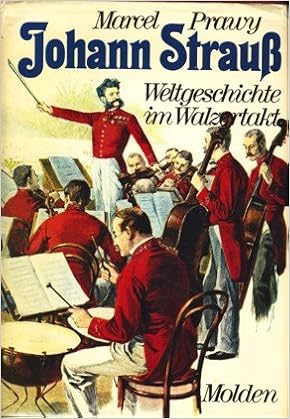
Johan Strauss II小約翰·施特勞斯「圓舞曲之王"The Waltz King"」風度翩翩的樂隊指揮,深受女性喜愛。然而,他也是一位勤奮的作曲家,對音樂充滿熱情,從桌佈到紙幣,他都會在各種物品上記錄筆記和靈感。他一生創作了約500首圓舞曲、波爾卡舞曲、方陣舞曲、進行曲、瑪祖卡舞曲和加洛普舞曲,以及15部輕歌劇。Marcel Prawy: 《藍色多瑙河》《蝙蝠》裡的一句歌詞——「Gluecklich ist, wer vergisst, was nicht mehr zu aendern ist」(忘記無法改變的事,才是幸福的)——已成為德語中的常用語。
小學時 (1963?)台北市 中山國小五年忠班錄過唱片
Reuters
Andre Rieu, "king of waltz," fiddles his way to stardom | Reuters
Feb 12, 2009 — "I never asked people to dance in the aisles but they do it and they have fun. People often ask if I am disturbed when people danc...


Facebook·💕𝐀𝐧𝐝𝐫𝐞 𝐑𝐢𝐞𝐮💕
He is the one who can make all spectators dance. He's King of The ...
Nov 17, 2024 — 🌹💐André Rieu, the King of the Waltz, never disappoints! Hearing him perform the timeless "Blue Danube" is always a pure delight.

Show all
Show more
Web results
Johann Strauss II

Wikipedia
https://en.wikipedia.org › wiki › en:Johann_Strauss_II
Austrian composer of light music, particularly dance music and operettas, He composed over 500 waltzes, he was known as "The Waltz King", as he played a major ...
我有 普拉維Marcel Prawy著 圓舞曲之王 北京: 三聯 1987 提問:最後四首歌
In his lifetime, he was known as "The Waltz King", and was largely then responsible for the popularity of the waltz in Vienna during the 19th century.

藍色多瑙河,「圓舞曲之王」小約翰史特勞斯最負盛名的圓舞曲(作品第314號),德語曲名為「An der schnen blauen Donau」(在美麗的藍色多瑙河上), ...
Wikipedia的"Johan Strauss II"項目,德文版、日文版的圖片都以英文版豐富:
https://de.wikipedia.org/wiki/Johann_Strauss_(Sohn)
https://ja.wikipedia.org/wiki/%E3%83%A8%E3%83%8F%E3%83%B3%E3%83%BB%E3%82%B7%E3%83%A5%E3%83%88%E3%83%A9%E3%82%A6%E3%82%B92%E4%B8%96
英:
Classical Music | 28.10.2010
Strauss still "King of the Waltzes" 185 years after his birth

This week's edition of Deutsche Welle's Music This Week pays tribute to the man who composed what is still regarded as Austria's unofficial national anthem, "The Beautiful Blue Danube." Written in his home on elegant Praterstrasse in 1867, the composition is world-famous and is still, for many, a synonym for the Viennese way of life.
His German contemporary, Johannes Brahms, himself a composer of waltzes, allegedly said of the iconic piece: "Unfortunately not by Johannes Brahms." A cheeky and fitting tribute to one of classical music's best-loved works.
Waltz mania sweeps Europe
The waltz played a major role within the Strauss family. Johann Strauss I was himself a gifted composer and found competition in his talented son for musical supremacy in Vienna. After Strauss Sr.'s early death in 1849, his son took up the baton and ran, quickly establishing himself as a master of his craft and initiating a massive wave in popularity for the waltz across Europe.
He became Imperial and Royal Music Director of the Court Balls and a favorite among Russian nobility, giving annual summer concerts in Pavlovsk, the Imperial estate near St. Petersburg. He played at the World's Fair in Paris in 1867 and enchanted British and American audiences.
Waltz-fever spread to the United States and in 1872, Strauss appeared at the World Peace Jubilee in Boston where he led 20,000 orchestral musicians and singers for an audience numbering 100,000.
 Bildunterschrift: Großansicht des Bildes mit der Bildunterschrift: Strauss paid tribute to the Danube River in what is arguably his most famous workAlways the composer
Strauss was a dashing bandmaster and very popular among women. However he was also a diligent composer and devoted to music, jotting down notes and ideas on everything from tablecloths to paper currency. In his lifetime, he wrote some 500 waltzes, polkas, quadrilles, marches, mazurkas and galops and 15 operettas.
Although entering operetta territory relatively late in life, his works "Die Fledermaus" (The Bat) and "Der Zigeunerbaron" (The Gypsy Baron) are two of his most famous works. A line from "Die Fledermaus" - "Gluecklich ist, wer vergisst, was nicht mehr zu aendern ist," (He who forgets what can't be changed, is happy.) entered into common use in the German language.
After a long and illustrious career, Strauss succumbed to pneumonia and died in 1899 at the age of 73, yet his works live on and are still enjoyed in concert halls around the world.
To find out more about Johan Strauss II and to hear excerpts from some of his compositions, follow the link below (MTW43: Johann Strauss) and listen to our current edition of Music This Week.
His German contemporary, Johannes Brahms, himself a composer of waltzes, allegedly said of the iconic piece: "Unfortunately not by Johannes Brahms." A cheeky and fitting tribute to one of classical music's best-loved works.
Waltz mania sweeps Europe
The waltz played a major role within the Strauss family. Johann Strauss I was himself a gifted composer and found competition in his talented son for musical supremacy in Vienna. After Strauss Sr.'s early death in 1849, his son took up the baton and ran, quickly establishing himself as a master of his craft and initiating a massive wave in popularity for the waltz across Europe.
He became Imperial and Royal Music Director of the Court Balls and a favorite among Russian nobility, giving annual summer concerts in Pavlovsk, the Imperial estate near St. Petersburg. He played at the World's Fair in Paris in 1867 and enchanted British and American audiences.
Waltz-fever spread to the United States and in 1872, Strauss appeared at the World Peace Jubilee in Boston where he led 20,000 orchestral musicians and singers for an audience numbering 100,000.
Bildunterschrift: Großansicht des Bildes mit der Bildunterschrift: Strauss paid tribute to the Danube River in what is arguably his most famous workAlways the composer Strauss was a dashing bandmaster and very popular among women. However he was also a diligent composer and devoted to music, jotting down notes and ideas on everything from tablecloths to paper currency. In his lifetime, he wrote some 500 waltzes, polkas, quadrilles, marches, mazurkas and galops and 15 operettas.
Although entering operetta territory relatively late in life, his works "Die Fledermaus" (The Bat) and "Der Zigeunerbaron" (The Gypsy Baron) are two of his most famous works. A line from "Die Fledermaus" - "Gluecklich ist, wer vergisst, was nicht mehr zu aendern ist," (He who forgets what can't be changed, is happy.) entered into common use in the German language.
After a long and illustrious career, Strauss succumbed to pneumonia and died in 1899 at the age of 73, yet his works live on and are still enjoyed in concert halls around the world.
To find out more about Johan Strauss II and to hear excerpts from some of his compositions, follow the link below (MTW43: Johann Strauss) and listen to our current edition of Music This Week.
Author: Suzanne Cords (nl)
Editor: Greg Wiser
史特勞斯是一位風度翩翩的樂隊指揮,深受女性喜愛。然而,他也是一位勤奮的作曲家,對音樂充滿熱情,從桌佈到紙幣,他都會在各種物品上記錄筆記和靈感。他一生創作了約500首圓舞曲、波爾卡舞曲、方陣舞曲、進行曲、瑪祖卡舞曲和加洛普舞曲,以及15部輕歌劇。
儘管他涉足輕歌劇領域的時間相對較晚,但他的作品《蝙蝠》(Die Fledermaus)和《吉普賽男爵》(Der Zigeunerbaron)卻是他最著名的兩部作品。 《蝙蝠》裡的一句歌詞——「Gluecklich ist, wer vergisst, was nicht mehr zu aendern ist」(忘記無法改變的事,才是幸福的)——已成為德語中的常用語。
在漫長而輝煌的職業生涯之後,施特勞斯於1899年因肺炎去世,享年73歲。然而,他的作品流傳至今,仍在世界各地的音樂廳中演奏。
想了解更多關於小約翰·施特勞斯的信息,並聆聽他的一些作品選段,請點擊下方鏈接(MTW43:約翰·施特勞斯),收聽我們最新一期的《本週音樂》。
作者:蘇珊娜‧科茲(荷蘭)
編輯:格雷格·懷瑟

沒有留言:
張貼留言